John Lawson’s abstraction report
“Low flows and drying of the River Tarrant: history, causes, impacts and potential solutions.” The independent review commissioned by RTPS, published in full.
Read the reportEvidence · Advocacy · Action
The Tarrant, our Dorset chalk stream, now runs dry each year, harming wildlife, the community and the valley. We are local volunteers who gather and share evidence, monitor flows and habitats, and work with residents, farmers, Wessex Water and the Environment Agency on practical fixes.
Source to Stour
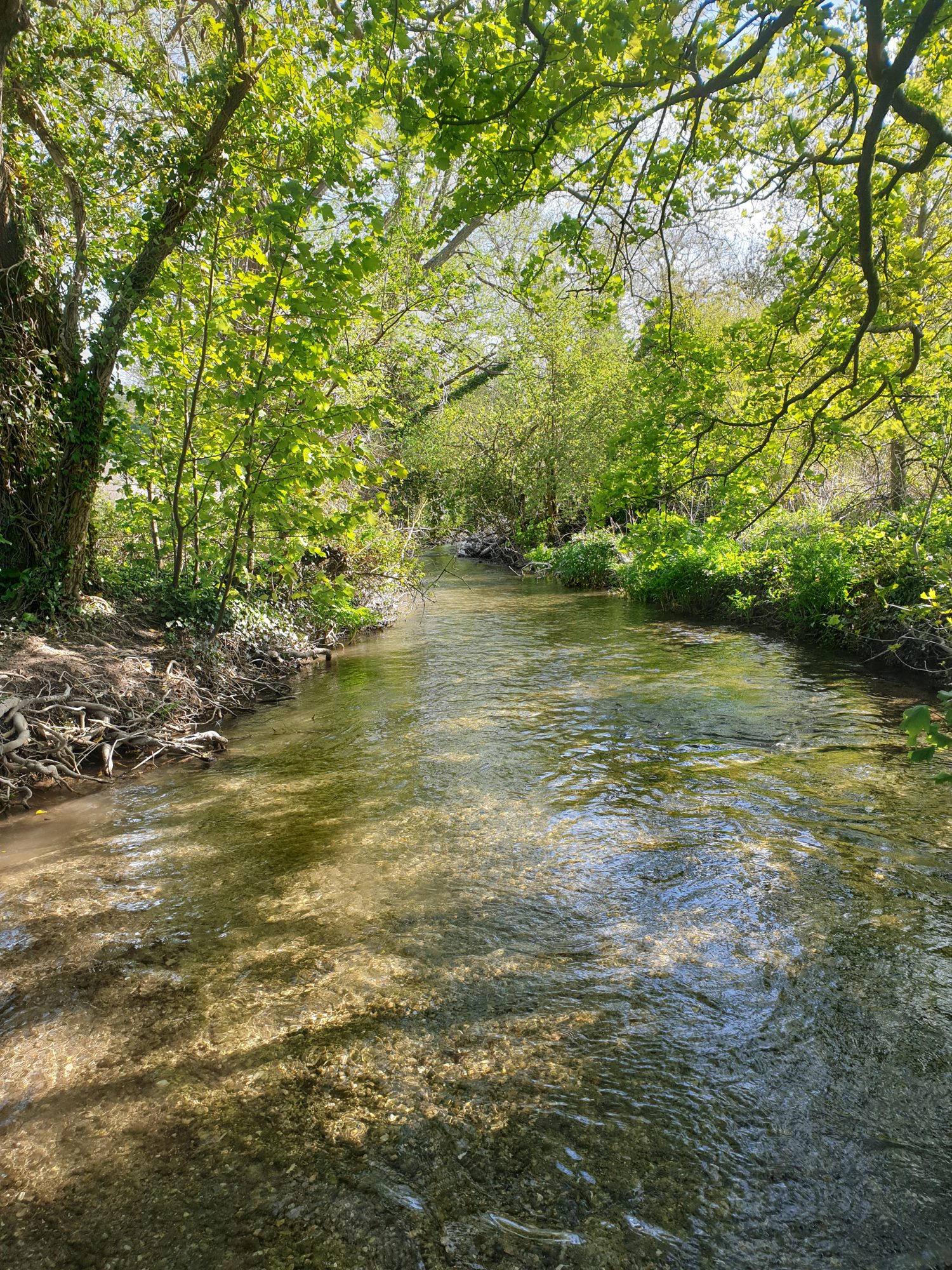
The River Tarrant Protection Society (RTPS) commissioned an independent review of why our chalk stream has seen more frequent low flows and drying. The work gathered historic accounts and archives, including mill records and fisheries notes, alongside rainfall data, observation-borehole groundwater levels and spot-gauged river flows. It considered a range of potential influences, including climate variability, land use and public water-supply abstraction, and tested a simple catchment model against what residents and volunteers have observed on the ground.
RTPS will engage with the Environment Agency, Wessex Water and local partners to review the evidence together and agree next steps. We’ll focus on a practical, monitoring-led approach so changes can be tracked clearly and transparently, without pre-judging a single “fix”. We’ll keep the community involved through local meetings and regular updates in The Tarrant Times and online.
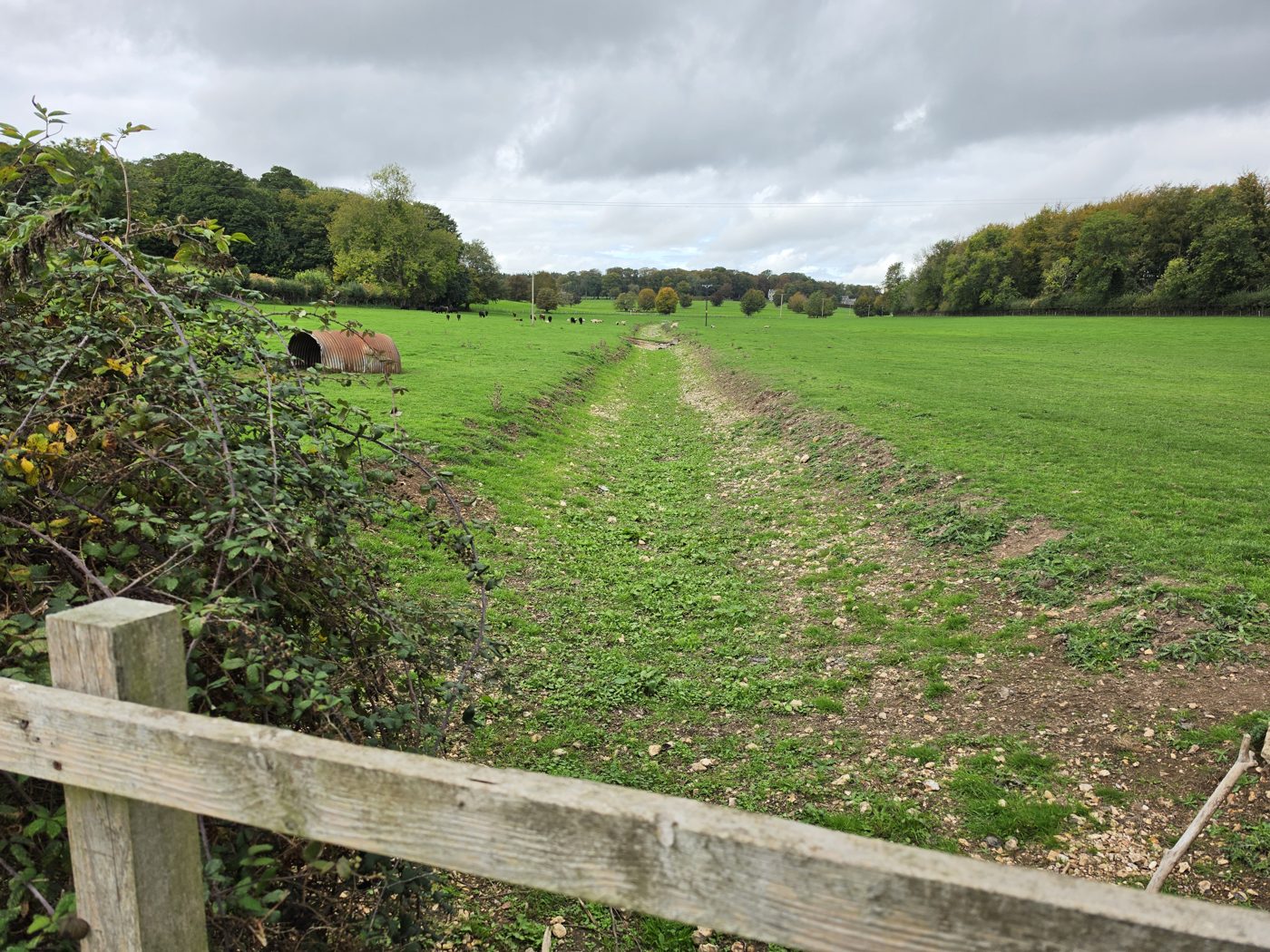
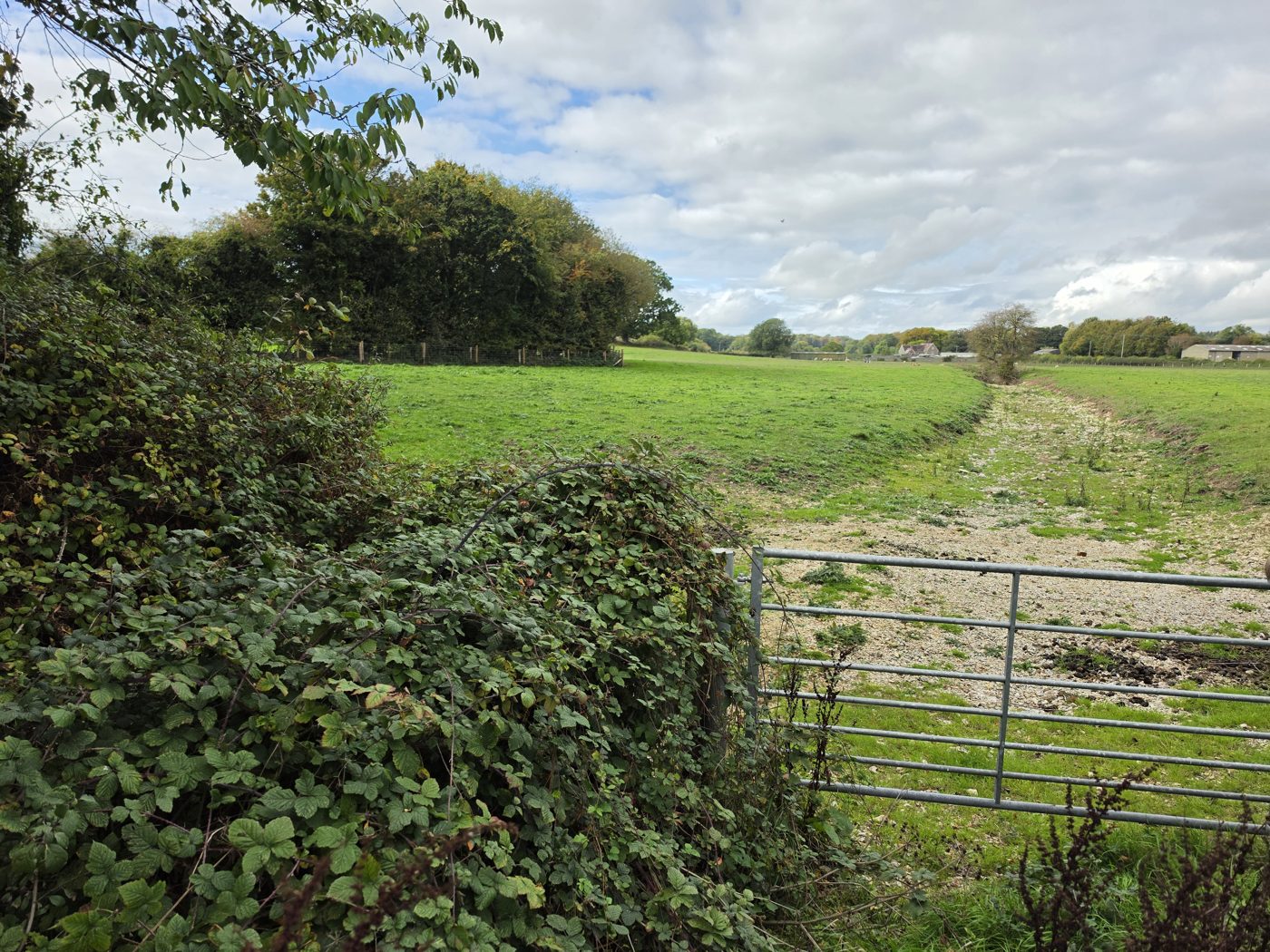
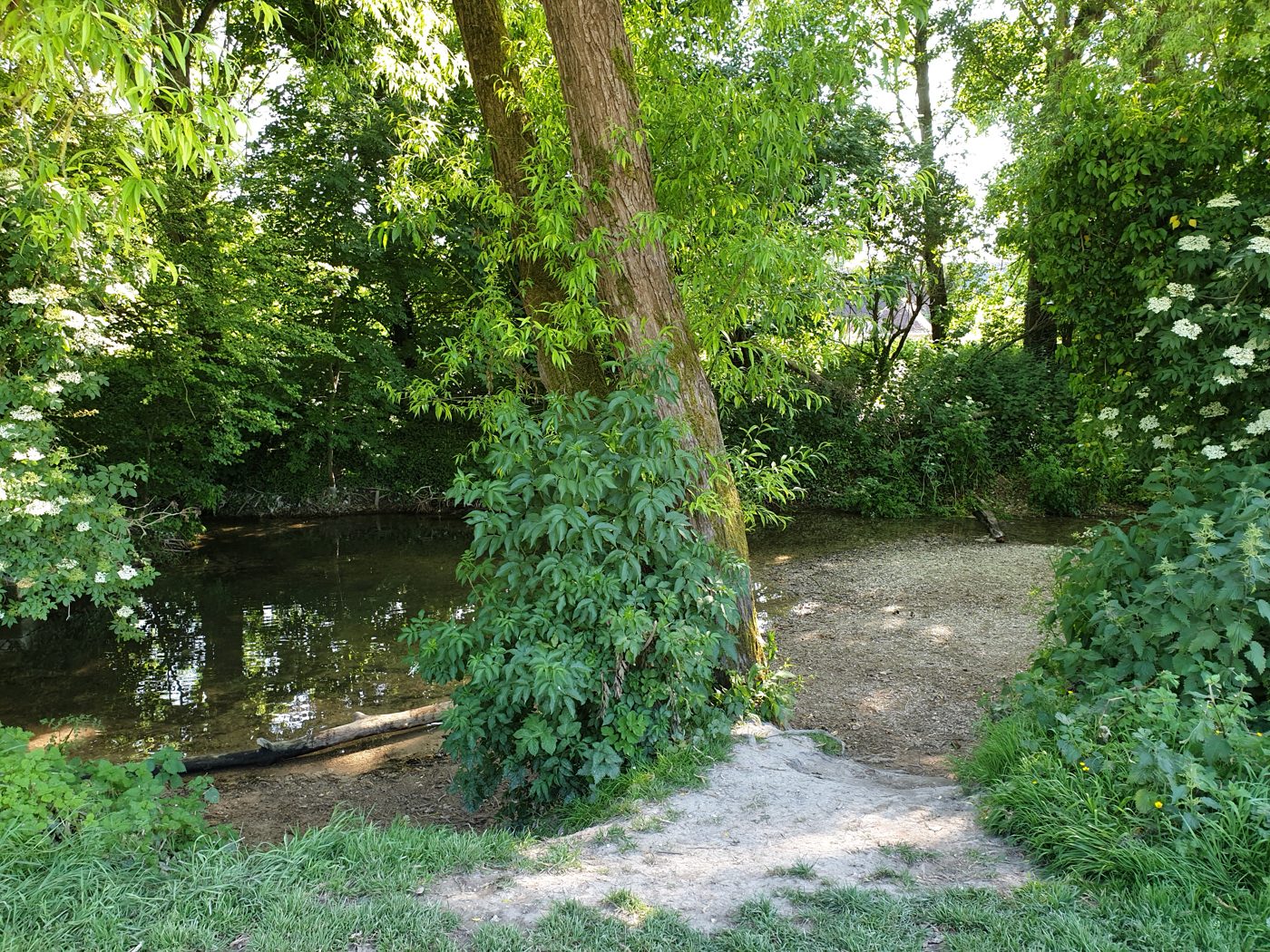
“Low flows and drying of the River Tarrant: history, causes, impacts and potential solutions.” The independent review commissioned by RTPS, published in full.
Read the reportMinutes have been agreed by both sides. A further meeting is planned for April 2027.
RTPS aims to hold a meeting for the whole valley in April or May 2027.
Reports, reviews and the agreed minutes of our meetings with the Environment Agency, published in full.
Report it to the Environment Agency's 24-hour incident hotline, then let the Society know. Each report adds to the record.